作者: FYpackaging

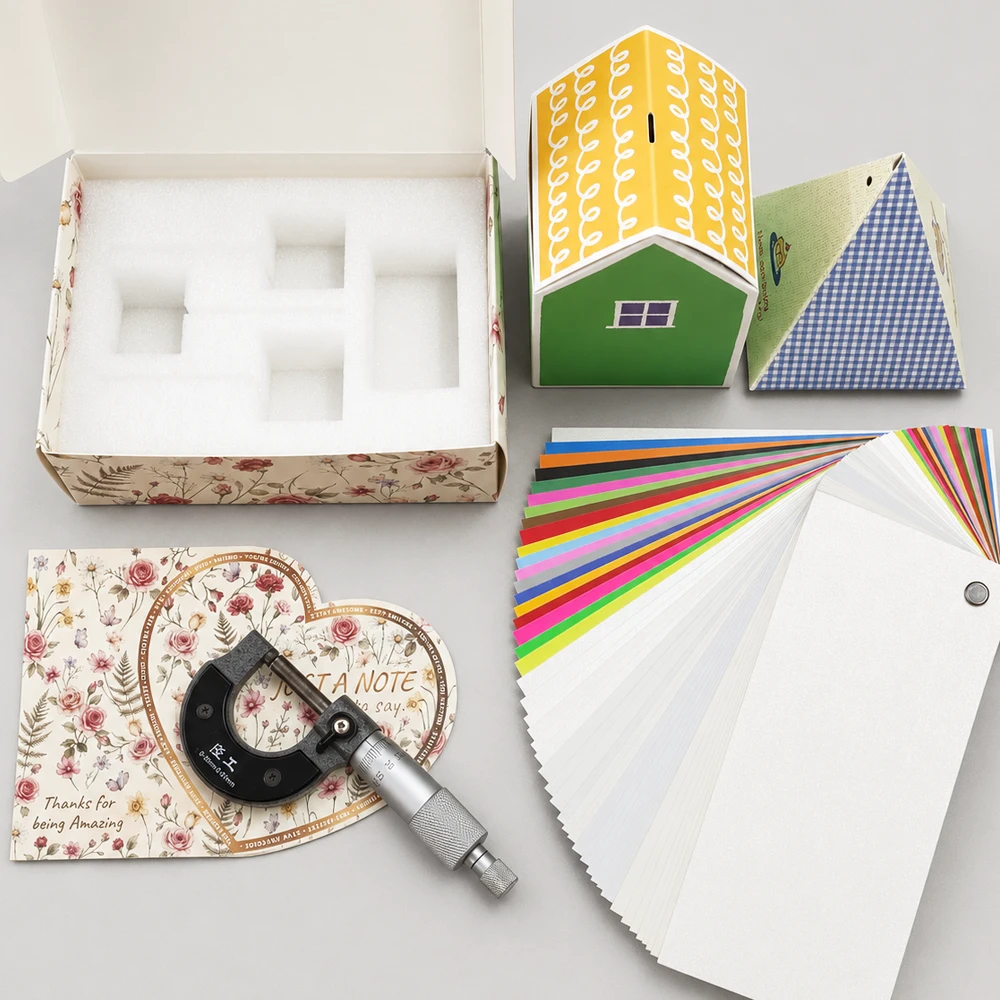
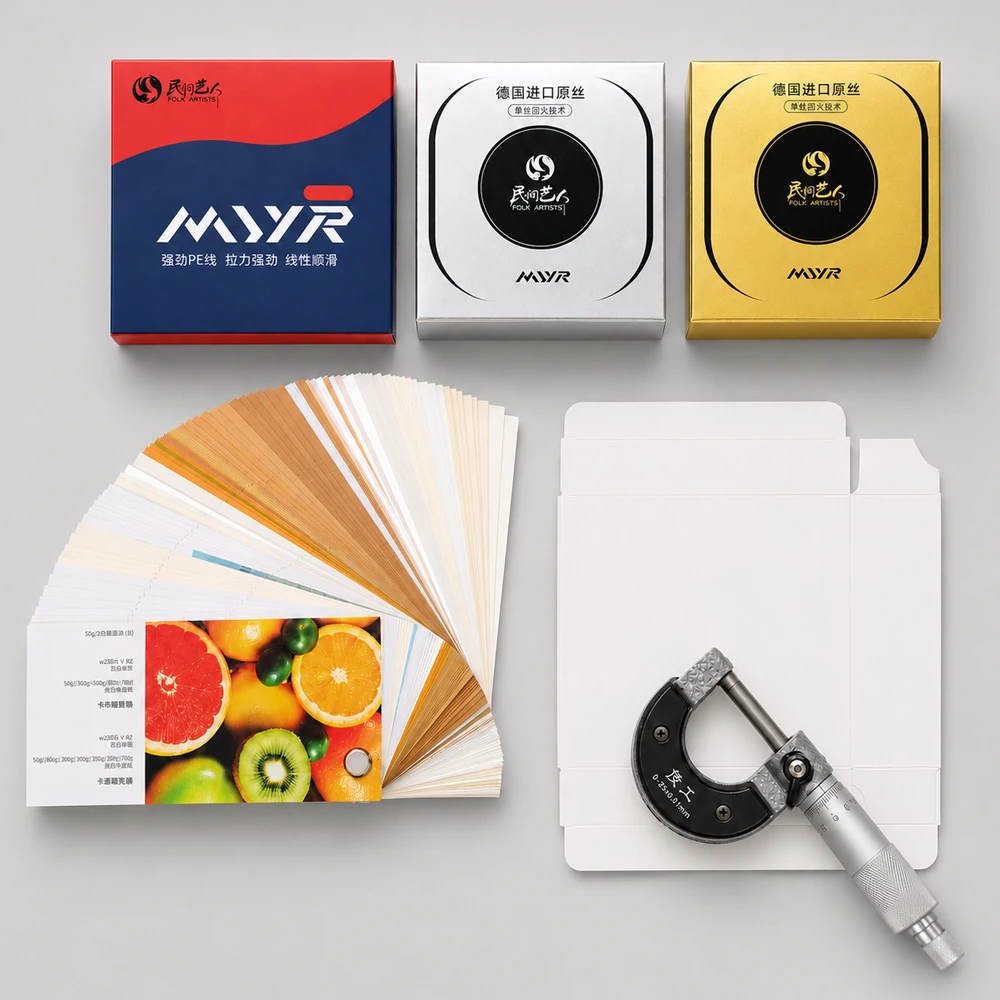
  • What Should You Confirm Before Custom Packaging Production?

    What Should You Confirm Before Custom Packaging Production?

    Moving from an approved packaging concept to mass production is an important project stage. Before production begins, the key specifications should be clearly confirmed so that the supplier, buyer and any other parties involved are working from the same information.
    A short pre-production review can prevent many avoidable misunderstandings later.
    [Featured Image]

    1. Final Size, Structure and Material
      Confirm the final packaging dimensions and structure rather than relying on an earlier quotation or preliminary drawing.
      The material specification should also match the approved requirement. Depending on the package, this may include the board or paper type and other relevant material details.
      The objective is simple: the production specification should describe the package that was actually approved.
    2. Artwork, Printing and Finishes
      Make sure the correct final artwork file is being used.
      Review important details such as:
      Artwork version
      Printed content and positioning
      Colours
      Foil stamping or other finishes
      Embossing, debossing or windows where applicable
      Small differences between artwork versions can become significant once a full production quantity is printed, so obsolete files should not remain part of the active production information.
    3. Approved Sample and Production Reference
      Where a physical sample, print proof or other reference has been approved, identify clearly which version is the production reference.
      The sample should be reviewed together with the written specification rather than treated as a replacement for it. Dimensions, materials, printing and finishes are easier to manage when the physical reference and documented requirements agree.
      If something changed after sampling, record the change before production starts.
    4. Quantity, Tolerances and Delivery Details
      Confirm the required order quantity and any agreed production tolerances or project-specific requirements.
      Delivery information should also be checked, including the destination, packing requirements and relevant timing expectations.
      For buyers sourcing packaging from China, especially when several suppliers or products are being coordinated, keeping these details in one clear specification or confirmation record can make follow-up much easier.
      Pre-production confirmation does not need to become a complicated administrative process. Its purpose is to establish one clear production reference covering the final structure, material, artwork, finishes, approved sample, quantity and delivery requirements.
  • White Paperboard or Kraft Board: Which Should You Choose?

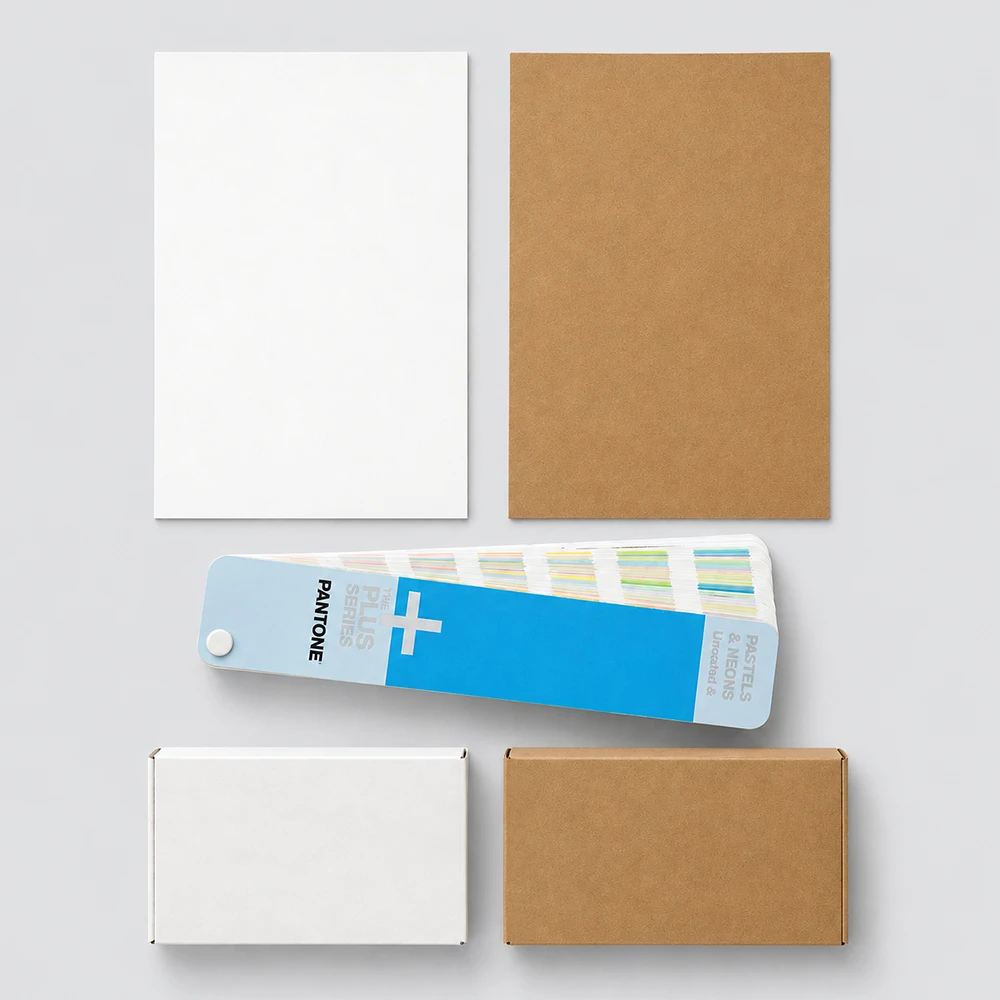
    White Paperboard or Kraft Board: Which Should You Choose?

    White paperboard and kraft board can both be used for paper packaging, but they create noticeably different results. The better choice depends on the appearance, printing requirements, surface character and structure you want from the finished package.
    Understanding these practical differences makes the material decision easier.
    [Featured Image]

    1. Start With the Appearance You Want
      White paperboard provides a clean, neutral surface. It is commonly chosen when packaging needs bright colours, detailed graphics or a more controlled visual presentation.
      Kraft board has a naturally brown appearance and more visible material character. The board itself becomes part of the packaging design, making it suitable when a natural or understated look is preferred.
      The choice should therefore begin with the intended visual direction rather than with material name alone.
    2. Consider How the Artwork Will Print
      A white surface provides a relatively neutral base for printed colours. This generally makes it easier to reproduce artwork where colour appearance and contrast are important.
      Kraft board changes the visual starting point. Its brown base can influence printed colours, particularly lighter shades. Some designs work well with this effect, while others may require adjustments or additional printing considerations.
      If colour accuracy is important, reviewing a physical printed sample is more reliable than judging the result only from a screen.
    3. Think About Surface Feel and Product Presentation
      Material also affects how the package feels in the hand.
      White paperboard usually creates a cleaner and more uniform presentation. Kraft board tends to show more natural variation and visible paper character.
      Neither appearance is automatically better. A cosmetics carton, retail accessory package and simple handmade-product box may each call for a different visual and tactile result.
      The material should support the way the product is intended to be presented.
    4. Evaluate Material and Structure Together
      Paperboard should not be selected only by colour.
      The box dimensions, product weight, carton structure, creasing and required stiffness also influence the final material specification. Two cartons with a similar appearance may require different board specifications because they perform different functions.
      For this reason, material selection is best reviewed together with the actual packaging structure and a physical sample where necessary.
      White paperboard is often the practical starting point for clean graphics and controlled colour reproduction. Kraft board is useful when its natural colour and surface character are part of the intended design. The right choice is the one that works with both the artwork and the finished carton.

  • What Information Do You Need for a Custom Packaging Quote?

    What Information Do You Need for a Custom Packaging Quote?

    Getting a useful custom packaging quotation starts with giving the supplier the right basic information. You do not need to have every detail finalized, but a clear starting specification helps reduce assumptions, repeated questions and quotation differences.
    Here are the main details worth preparing before you request a quote.
    [Featured Image]

    1. Product Size and Packaging Dimensions
      Start with the product itself. Provide its length, width and height, preferably in millimetres.
      If you already know the required packaging dimensions, include them as well. If not, explain how the product will sit inside the package and whether it needs extra space for an insert, protective material or other components.
      For products with unusual shapes, a photo or simple drawing with dimensions can be particularly helpful.
    2. Packaging Type and Material
      Specify the general type of packaging you need, such as:
      Folding carton
      Rigid gift box
      Paper bag
      Label or sticker
      Other custom structure
      If you know the material, include it. For example, you may already have a preference for white paperboard, kraft board or another paper-based material.
      If you are unsure, a reference package or photo can often communicate the intended appearance and structure more clearly than a technical description.
    3. Printing, Finishes and Artwork
      Explain what will be printed and whether you require specific finishes.
      Useful information may include:
      Number of printed colours or supplied artwork
      Matte or gloss surface preference
      Foil stamping
      Embossing or debossing
      Window or other special details
      If final artwork is not ready, reference images can still help establish the expected result for an initial quotation.
    4. Quantity and Delivery Requirements
      Packaging cost depends heavily on quantity, so provide the estimated order quantity or several quantities you would like compared.
      Also state the destination country or delivery location when freight or delivery needs to be considered. If you have a target delivery period, mention it as a planning requirement rather than assuming a fixed production time.
      A good packaging inquiry does not need to be complicated. Clear dimensions, packaging type, material or reference, printing requirements, quantity and delivery information usually provide a practical basis for the first quotation.