

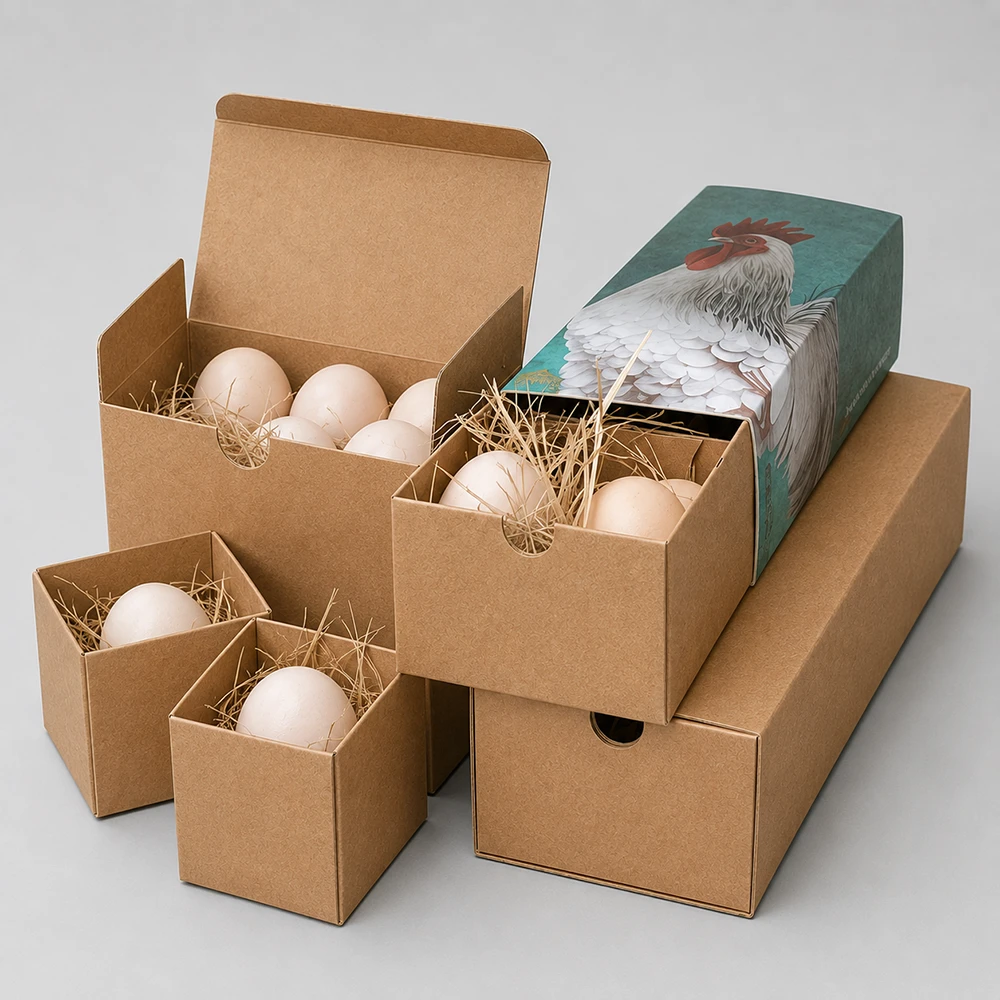
A folding carton does not need to be complicated to work well. The best structure is usually the simplest one that can hold the product securely, suit the packing process and create the right opening and presentation experience.
Before choosing a carton style, it helps to start with how the package will actually be used.
1. Start With Product Size and Weight
The product itself determines much of the carton structure.
A small, lightweight item may work well in a standard tuck-end carton. A heavier product may need a stronger bottom construction or additional internal support.
Useful details to consider include:
- Product dimensions
- Product weight
- Whether the product is fragile
- Whether an insert is needed
- How much movement is acceptable inside the carton
The carton should provide enough support without adding unnecessary complexity.
2. Consider How the Product Will Be Packed
Think about the actual packing process.
A carton that is filled manually in small quantities may have different priorities from one intended for faster or more repetitive packing.
Standard tuck-end structures are often practical because they are familiar and easy to assemble. For heavier contents, a more secure bottom may be preferred.
The opening direction also matters. The carton should allow the product to be inserted and removed naturally without forcing the user or packer to work against the structure.
3. Match the Structure to Display and Protection Needs
Packaging structure also affects how the product is presented.
A simple folding carton may be enough when the package mainly protects the product and carries printed information. Other products may benefit from a sleeve-and-tray format, window, insert or another structural feature that improves presentation.
However, every additional structural detail should have a clear purpose.
Adding complexity without a practical reason can make sampling, assembly and production more difficult.
4. Choose the Simplest Structure That Works
It is easy to focus on unusual carton shapes, but a more complex structure is not automatically better packaging.
A practical carton should balance:
- Product protection
- Packing efficiency
- Opening experience
- Display requirements
- Material use
- Production feasibility
Starting with a standard structure and modifying it only where necessary is often the most efficient approach.
For most projects, structure selection becomes easier when the product, packing method and presentation needs are reviewed together rather than separately.